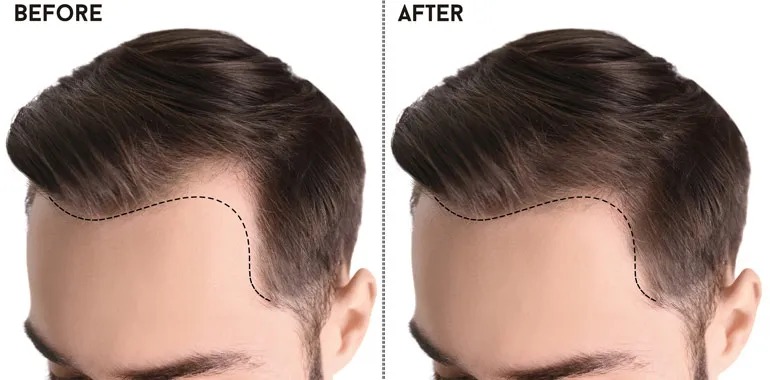
A successful hair transplant is more than just putting hair back in places where it has been lost or is thinning. Designing a hairline that fits the patient’s face shape, age, and natural look is one of the most important parts of the procedure. Modern hair restoration combines medical knowledge with an artistic sense of how faces should look to make results that look natural and not like they were put together artificially. Hair transplants UK are becoming more and more popular, and patients are learning that the quality of the hairline design can affect how happy they are with the procedure as a whole.
Hair restoration is not simply about placing as many follicles as possible into an empty area. Every individual has unique facial characteristics, hair growth patterns, and expectations. A carefully planned hairline considers these differences while maintaining a natural transition between the forehead and scalp. Understanding the principles behind hairline design can help patients make informed decisions before undergoing treatment.
The Relationship Between Hairlines and Facial Proportions
The position and shape of a hairline can significantly influence how a person’s face appears. A hairline placed too low may create an unnatural appearance, while one positioned too high might fail to provide the desired facial balance. Surgeons must evaluate forehead height, facial symmetry, temple structure, and existing hair density before determining the appropriate placement.
Facial proportions provide useful guidance, but they are not rigid rules. Some individuals naturally have higher foreheads, while others have more rounded or angular hairlines. The goal is to create a design that respects these characteristics rather than forcing every patient into the same pattern.
Patients exploring Hair transplant costs should understand that detailed hairline planning is an important part of the overall treatment process. The expertise involved in designing and creating a natural appearance can be just as significant as the number of grafts transplanted.
The Artistic Principles Behind Natural Hairline Design
Natural hairlines are rarely perfectly straight or symmetrical. They contain subtle irregularities, variations in density, and gradual transitions that contribute to their realistic appearance. Experienced hair restoration surgeons consider these details when developing a treatment plan.
The frontal hairline typically requires careful placement of individual follicular units to create a softer appearance. Larger follicular units may be positioned farther behind the leading edge to provide additional density without making the front look harsh.
The direction and angle of implanted follicles are equally important. Hair naturally grows in different directions across the scalp, and incorrect placement can produce an unnatural pattern even when the transplanted follicles survive successfully.
Individuals researching Hair transplants London may benefit from reviewing examples of completed procedures, particularly photographs showing hairline design from multiple angles. These examples can help demonstrate how different approaches influence facial balance and overall appearance.
Age Appropriate Hairline Design and Long Term Planning
A hairline that looks attractive at one age may not remain suitable as a person grows older. Hair loss can continue after transplantation, particularly in individuals experiencing progressive pattern baldness. For this reason, surgeons often recommend designs that account for potential future changes.
An excessively low or dense hairline may require substantial donor hair and leave fewer follicles available for future procedures. A more conservative approach can help preserve donor resources while maintaining a natural appearance over time.
Long term planning also involves evaluating family history, existing hair loss patterns, and the stability of surrounding hair. These considerations help surgeons develop realistic treatment strategies rather than focusing exclusively on immediate cosmetic improvements.
Donor Hair Characteristics and Their Influence on Results
The appearance of a transplanted hairline depends partly on the characteristics of the donor hair. Hair thickness, texture, color, and curl pattern can influence how effectively transplanted follicles blend with existing hair.
Fine hair may produce a softer frontal transition, while thicker hair can provide greater visual coverage. However, the best approach depends on the patient’s individual characteristics and available donor supply.
Surgeons must also consider how graft distribution affects density. Concentrating too many follicles in one area may compromise the overall treatment plan, while insufficient density can leave visible gaps. Careful allocation helps achieve a balanced result across the treated region.
Modern Techniques Supporting Precise Hairline Creation
Modern hair transplantation commonly uses techniques such as Follicular Unit Extraction (FUE) and Follicular Unit Transplantation (FUT). Both approaches involve relocating healthy follicular units from donor areas to regions experiencing hair loss.
FUE involves extracting follicular units individually, while FUT typically involves removing a strip of donor tissue before separating it into grafts. The choice of technique depends on several factors, including donor availability, scalp characteristics, and treatment goals.
Regardless of the method, successful hairline creation requires precise graft placement, appropriate spacing, and attention to natural growth direction. Technology can support surgical accuracy, but professional judgment remains essential.
Managing Expectations During Hair Restoration
Hair transplantation does not produce immediate final results. Transplanted hairs commonly shed during the early recovery period before new growth gradually develops. Visible improvements often emerge over several months, with fuller results commonly assessed around twelve months or later.
Patients should also understand that transplantation redistributes existing hair rather than creating an unlimited supply of new follicles. The achievable density depends on donor availability, scalp conditions, and the extent of hair loss.
A thorough consultation should address realistic outcomes, possible complications, recovery requirements, and the potential need for future treatment.
Conclusion
Hairline design represents the intersection of medical precision and aesthetic judgment in modern hair transplantation. Achieving natural results requires careful attention to facial proportions, age, hair characteristics, and long term hair loss patterns. Rather than focusing solely on restoring density, successful treatment aims to create a hairline that complements the individual’s appearance. With thoughtful planning, realistic expectations, and appropriate surgical expertise, hair restoration can produce results that remain visually balanced as a person’s appearance changes over time.