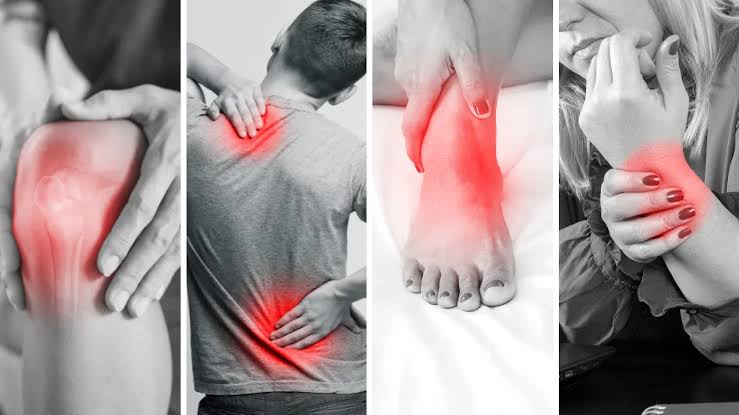
When your muscles, joints, nerves, or internal organs hurt, it’s one of the body’s most important warning signs that something might be wrong. But not all kinds of pain happen for the same reason or get better with the same medicine. Some pain goes away in a few days, while others need to be treated by a doctor on a regular basis. Knowing the different kinds of pain can help people recognize their symptoms, look for the right treatments, and make health-related decisions that are in their best interests.
Acute Pain and Its Common Causes
Acute pain usually develops suddenly following an injury, illness, or medical procedure. It serves as a protective response, alerting the body to potential damage. Common examples include muscle strains, fractures, burns, surgical discomfort, and injuries caused by accidents.
Acute pain can range from being mildly uncomfortable to being so bad that it makes it impossible to move. Most of the time, symptoms get better over time as the muscles that were hurt heal. Treatment depends on what’s causing the problem and could include rest, the right medicine, physical therapy, or making temporary changes to the way you do things.
However, severe pain, worsening symptoms, or discomfort accompanied by unusual swelling should receive medical attention. Early evaluation can help identify complications and support proper recovery.
Chronic Pain and Its Impact on Daily Life
Chronic pain generally refers to discomfort that continues or repeatedly returns for more than three months. Unlike acute pain, it may persist even after the original injury has healed. Arthritis, spinal disorders, nerve damage, and certain inflammatory conditions can contribute to persistent discomfort.
Individuals experiencing chronic pain may struggle with sleeping, walking, exercising, or completing routine responsibilities. Emotional stress and reduced physical activity can further complicate the condition.
People searching for a pain specialist near me often want professional guidance when ordinary pain relief methods no longer provide sufficient improvement. A qualified specialist can assess symptoms, review medical history, and recommend an individualized treatment approach.
Treatment may involve physical rehabilitation, medications, behavioral therapies, or carefully selected medical procedures. The primary objective is to improve daily functioning while reducing discomfort.
Neuropathic Pain and Nerve Related Conditions
Neuropathic pain develops when nerves become damaged or when the nervous system does not process signals normally. Unlike typical muscle discomfort, nerve pain often produces unusual sensations such as burning, tingling, numbness, or electric shock sensations.
Conditions such as diabetic neuropathy, sciatica, and certain spinal disorders can contribute to neuropathic symptoms. Some individuals experience discomfort even when there is no visible injury.
Treatment options may include medications specifically prescribed for nerve pain, physical therapy, and management of the underlying medical condition. In selected cases, nerve blocks or other interventional procedures may be considered.
Because neuropathic pain can be difficult to manage, identifying its source is essential for developing an effective treatment plan.
Musculoskeletal Pain Affecting Muscles and Joints
Musculoskeletal pain affects the body’s muscles, bones, ligaments, tendons, and joints. It commonly develops because of repetitive movements, physical injuries, poor posture, inflammation, or degenerative conditions.
Office workers may experience neck and shoulder discomfort from prolonged sitting, while individuals performing physically demanding tasks may develop lower back or joint pain.
Treatment typically focuses on improving mobility, restoring strength, and reducing inflammation. Physical therapy, therapeutic exercises, ergonomic adjustments, and appropriate medications may help manage symptoms.
Some patients may benefit from targeted injections when conservative treatments do not provide adequate relief. Maintaining regular physical activity within comfortable limits can also support long term musculoskeletal health.
Inflammatory Pain and Related Medical Conditions
When the immune system reacts to an injury, an infection, or some medical conditions, it can cause inflammatory pain. Inflammation is a normal part of mending, but too much or long-lasting inflammation can make you feel bad all the time.
Some common signs are redness, swelling, stiffness, warmth, and pain around the affected areas. Symptoms may come back for people with rheumatoid arthritis and inflammatory spinal diseases.
Depending on the diagnosis, treatment may include painkillers, methods that change the way the disease works, rehabilitation, and changes to how you live your life. If you have persistent inflammation, you should see a doctor because controlling the underlying problem is often needed for long-lasting improvement.
Understanding Modern Pain Management Approaches
Modern pain management emphasizes identifying the cause of discomfort rather than simply masking symptoms. Healthcare professionals may combine several treatment methods depending on the patient’s condition, medical history, and functional limitations.
Conservative approaches often include physical therapy, supervised exercise, medication management, and education about healthy movement patterns. Psychological approaches, including cognitive behavioral therapy, may also help patients manage the emotional and behavioral effects of persistent pain.
For certain conditions, specialists may recommend image guided injections, radiofrequency procedures, or other minimally invasive interventions. These treatments are not suitable for every patient, making individualized medical assessment important.
Conclusion
Understanding different types of pain is an important step toward choosing appropriate treatment. Acute, chronic, neuropathic, musculoskeletal, and inflammatory pain each have distinct characteristics and possible causes. Recognizing these differences helps individuals seek timely medical attention and avoid relying on unsuitable treatments.
With proper diagnosis, personalized care, and consistent follow through, many patients can improve their comfort, mobility, and overall quality of life.